Modern Blonding Services Offered at a Luxury Salon in Fairborn
The blondes that look effortless on Instagram are rarely effortless to make. Hours of foiling. Multiple sessions for the bigger transformations. Tonal decisions that get made before the lightener ever touches the hair. Blonding is the single most technically demanding service in a colorist’s toolkit, and the difference between great blonde work and mediocre blonde work shows up immediately in how the hair behaves.
The blonding was done at a real luxury salon in Fairborn, where clients return to looks that bear no resemblance to the work coming out of chain salons or boxed kits. Different tone. Different dimensions. Hair that still feels like hair afterward instead of straw. Those differences aren’t accidental. They’re the product of training, chemistry, and the kind of consultation that maps every blonde client’s hair before any lifting happens.
What’s below covers the actual craft, the lift process, and what it really takes. The placement strategies that turn blonde into a face-flattering feature instead of a stripe situation. Tonal choices for different skin tones and lifestyles. The bond chemistry is making modern blonding possible at levels nobody could safely reach a decade ago.
Achieving the Perfect Lift
A blonde that looks healthy starts before the first foil. Hair lightens by breaking down natural pigment inside the cortex, and that process moves through stages the colorist has to control deliberately. Dark hair travels through red, then orange, then yellow, before pale yellow shows up and platinum becomes possible.
Push the process too fast, and the hair structure breaks down. Stop too early, and the toner can’t cover the brassy tones that linger underneath. Skilled blonding lives in the narrow zone between those two failure modes, which is why timing matters more on a blonding service than on any other color work happening in the salon.
Strand testing is the safety net most clients don’t even realize is happening. Before committing to a full lift, the stylist processes a tiny test section. The test confirms whether the hair lifts evenly, whether porosity is consistent across the head, and whether old color treatments will fight the new chemistry. Sections that resist lifting get flagged before they become a problem on the actual service.
Time on a full virgin platinum transformation can run six or seven hours in the chair. Touch-ups run two hours or so. Clients with very dark hair often need multiple sessions spaced weeks apart because pushing a single appointment too hard damages the structure in ways no conditioning treatment can fully repair afterward.
The Art of the Money Piece
Done well, a money piece is what makes the whole color look expensive. Done poorly, its accidental-looking stripes around the face that age people instead of brightening them. The placement is what separates the two outcomes, and placement is harder than it looks from outside the chair.
Face shape decides where the brightest pieces actually go. A square jaw requires a different placement than an oval face does. The brightest sections sit where natural light catches them during everyday movement, and the blonde softens as it travels back from the face. Hence, the overall effect reads as intentional rather than streaky. Most clients have no idea how much pre-appointment thinking goes into that until they see an unplanned version on someone else.
Hand-painted techniques like balayage are where the seamless blending happens. The colorist applies the lightener directly to the hair in sweeping strokes, precisely controlling brightness and fade-out. Foils get used selectively where extra heat and processing are needed without overprocessing the surrounding hair.
Money pieces work on basically every base color. Brunettes get face-framing brightness without going full blonde. Redheads get warm-toned highlights that play nicely with the base. Existing blondes get dimension that prevents the flat, single-tone look platinum sometimes drifts toward when placement is sloppy.
Platinum Versus Sun-Kissed
Not every client should chase platinum. The blonde that’s stunning on a magazine spread might be a maintenance disaster for someone whose schedule doesn’t support a salon visit every four weeks. Honest, tonal conversations during consultation help clients avoid ending up with a color they can’t realistically maintain.
Platinum sits at the lightest end of the scale. It needs the most lift, the most bond protection during processing, and the most upkeep afterward. Toners refresh every four to six weeks before brassiness starts creeping back. Root touch-ups occur every 6 to 8 weeks for clients committed to the full platinum look. Cool-toned skin wears platinum beautifully. Warm-toned skin can absolutely wear it too, but the toner choices have to be deliberate to keep the blonde from going gold.
The blonde is bright enough to read as a real color change but warm enough to look natural and lived-in. Maintenance pushes out to eight to twelve weeks between appointments. Most skin tones look sun-kissed, as the warmth complements the skin rather than fighting it.
Lived-in blonde is the lowest-maintenance category and increasingly the most popular. Color placement makes the grow-out look intentional from day one. Roots can extend several inches before a touch-up becomes necessary. Clients who want polished hair without having to make monthly salon visits tend to settle here happily.
Mastering the Modern Blonde
Blonding has genuinely improved as a craft in recent years. Better chemistry. Better techniques. Better tonal mapping. The blondes walking out of professional salons in 2026 are healthier, more dimensional, and more lifestyle-appropriate than a blonde has ever been able to look before.
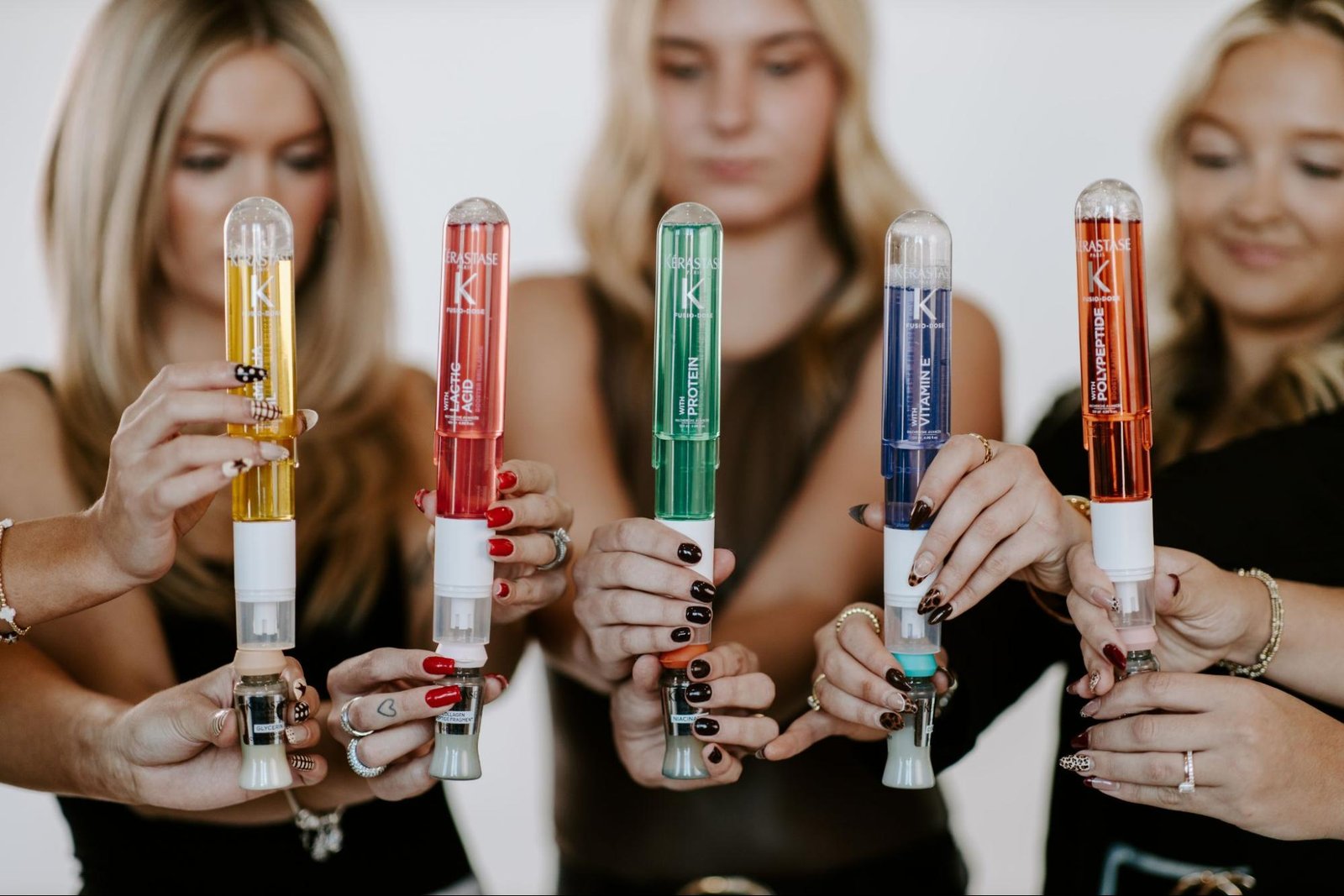
For Fairborn hair color clients ready to work with a team that treats blonding as the technical specialty it actually is, the stylists at AltaRd Salon LLC offer everything from money-piece work to full platinum transformations using Redken and Kérastase bond systems.